The owner cannot add a product
If adding a product means calling a developer, the shop will go stale.
OH Studio
Some stores fit WooCommerce. Others need a Laravel checkout because the catalog, the sellers, or the rules are not a standard shop. OH Studio quotes those as different projects.
If adding a product means calling a developer, the shop will go stale.
Payments, delivery, and tax have to match how you actually sell, not how a demo shop was set up.
Seller dashboards, custom pricing, or a private catalog turn a theme shop into a maintenance problem.
Products, orders, and Stripe or PayPal stay in a WordPress admin your staff already understands.
Custom carts, seller areas, and Filament dashboards are built as an application, with an API if a mobile app comes later.
The brief asks how you get paid. The quote names that provider instead of leaving it as “payments”.

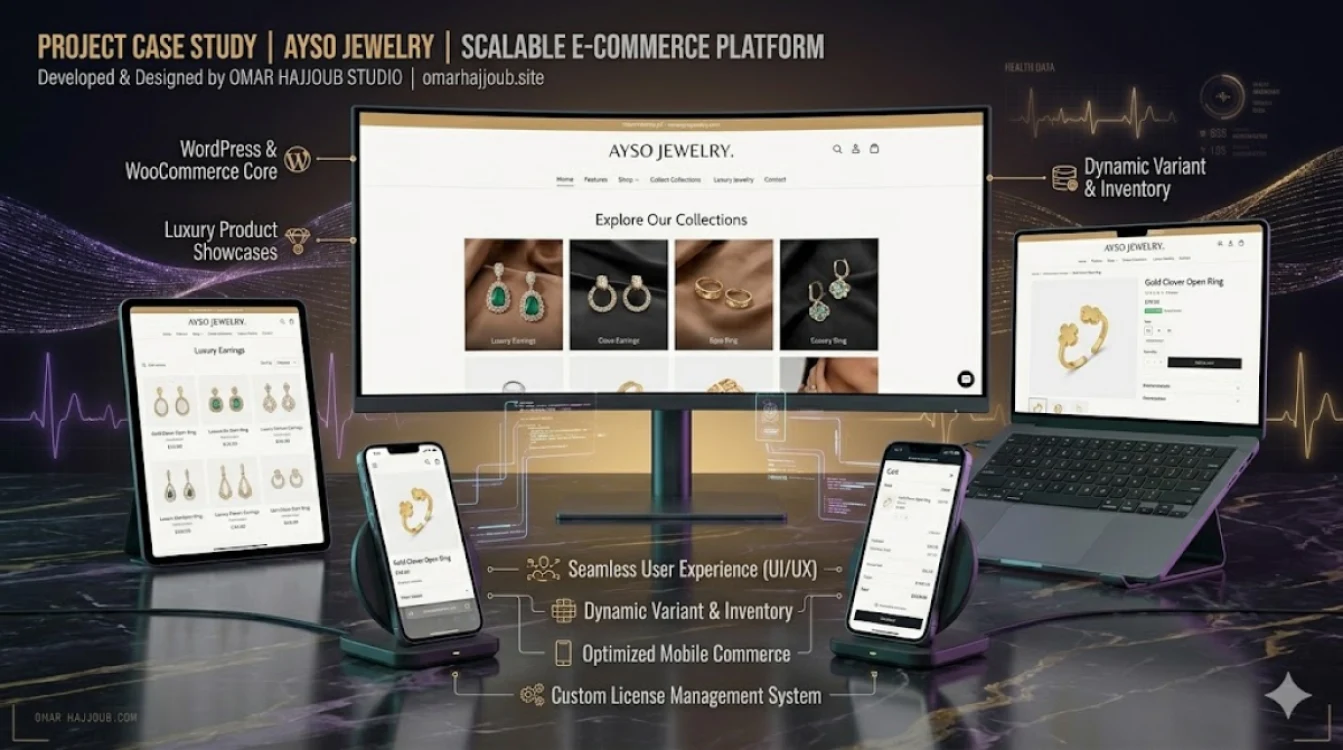


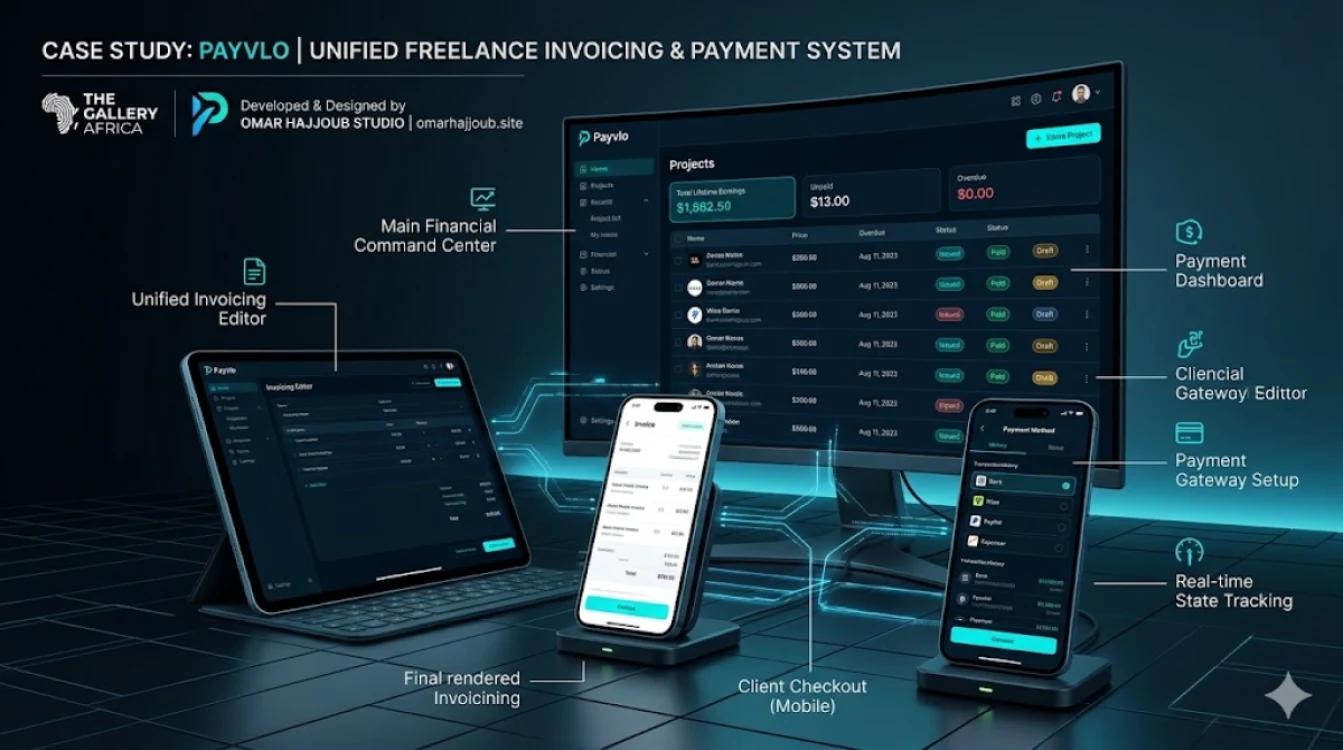

Omar delivered an exceptional e-commerce platform. The attention to detail in both design and code quality was outstanding. Highly recommend!
Incredible work on our mobile app. Omar has a rare ability to understand business needs and translate them into beautiful, functional products.
The WordPress site Omar built increased our conversion rate by 40%. Fast delivery, clean code, and stunning design. A true professional.
Products, variants, and who is allowed to edit them are listed in the brief.
Payment provider, currency, and delivery rules are fixed before checkout is built.
You place a test order and refund it, or mark it complete, before launch.
The live keys replace the test keys only after that order path works.
Choose WooCommerce if you want a WordPress shop and a normal catalog. Choose Laravel if sellers, custom prices, or a private catalog are the actual product.
Stripe and PayPal are the usual ones. Another provider is possible when its API is public. Name it in the brief.
A redesign or a replatform is scoped from the current URL. Product export and URL changes are called out so search traffic is not treated as disposable.
Hosting can be yours or set up with you. The brief asks for that preference so it is not guessed at launch.
In the brief, say what you sell, how you get paid, and whether the shop has to match rules a normal WooCommerce store does not cover.